

The energy and transportation infrastructure does not yet exist to allow breaching of the lower Snake River dams, according to a monthslong investigation by Washington state’s two senior politicians.
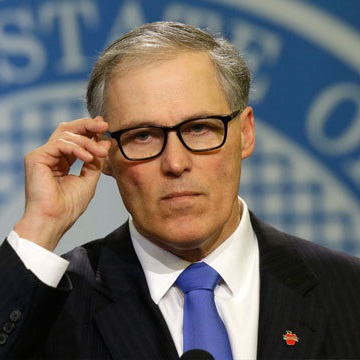
While saying restoration of the Snake River to its free-flowing state is the strongest action available to help threatened and endangered salmon and steelhead in Idaho, eastern Washington and northeastern Oregon, Gov. Jay Inslee and Sen. Patty Murray said doing so is not feasible right now.
Supporters of the dams were relieved Inslee and Murray did not emphatically endorse dam removal. Kurt Miller, executive director of the Northwest River Partners, said the nuanced position taken by Inslee and Murray shows they listened to stakeholders like his members that depend on hydropower produced at the many dams along the lower Snake and Columbia rivers.
Last year, Inslee and Murray commissioned the report to help them solidify their position on salmon recovery and determine if dam breaching is necessary. It found breaching will cost between $10.3 billion and $27.2 billion at a minimum over the next 50 years. Breaching the dams would increase the survival of juvenile and adult salmon, according to many fisheries scientists who have studied the issue. But it would also eliminate the generation of electricity at the hydropower dams, eliminate tug-and-barge transportation between Lewiston and the Tri-Cities, and reduce irrigation capacity near the Tri-Cities.
Last month, the Biden administration said in a draft report that the dams must be breached if Snake River salmon and steelhead runs are to be restored to levels that allow for the sustainable harvest of wild fish. The federal government and plaintiffs in a long-running lawsuit over Snake River salmon and operation of the federal Columbia Hydropower System are in settlement talks that were recently extended to run into 2023. (Lewiston Tribune)


